Get Residential Roof Replacement
Residential roof replacement services involve local contractors removing and installing new roofs to fix damage, leaks, or aging roofs on residential properties.
If you're considering a residential roof replacement, you're in the right place to explore your options. Property owners often evaluate roof replacement projects to improve the durability and appearance of their homes, especially when facing age, weather-related wear, or the need for enhanced protection. Comparing local contractors can help ensure you find experienced professionals who understand the specific needs of your area, making it easier to plan and execute a project that aligns with your property's requirements.
Continuing to explore your options allows you to discover the range of services offered by local contractors specializing in residential roof replacement. This process provides an opportunity to assess different approaches, materials, and solutions tailored to your home’s unique characteristics. Connecting with qualified service providers can help you gather the information needed to make informed decisions about your roofing project.
- Residential Roof Replacement - Needed when a roof has extensive damage or aging that cannot be repaired effectively.
- Asphalt Shingle Roof Replacement - Suitable for homeowners seeking a durable and cost-effective roofing upgrade.
- Tile Roof Replacement - Ideal for properties requiring a long-lasting and aesthetically appealing roofing solution.
- Wood Shake Roof Replacement - Recommended for those wanting a natural look with improved protection and longevity.
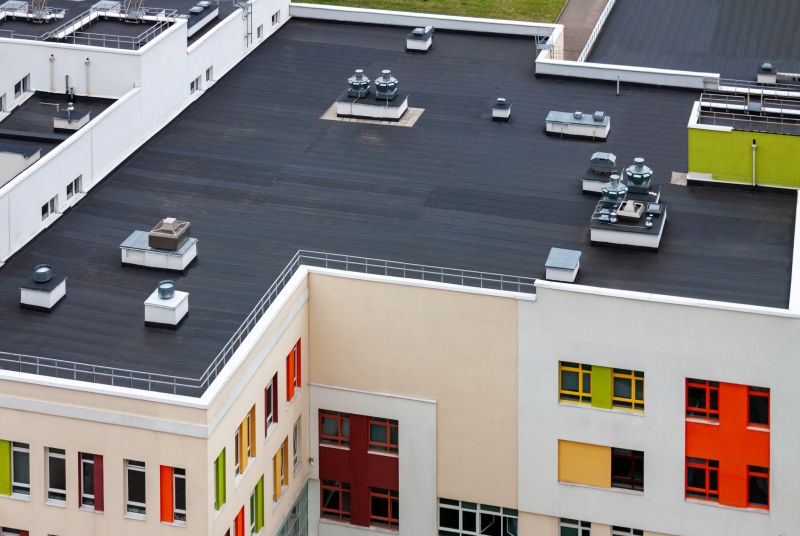
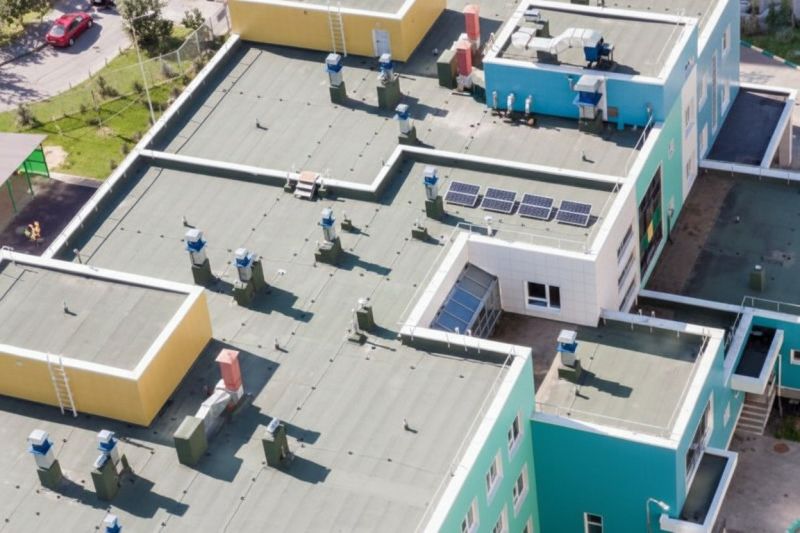
- Flat Roof Replacement - Necessary for structures with flat or low-slope roofs experiencing leaks or significant wear.
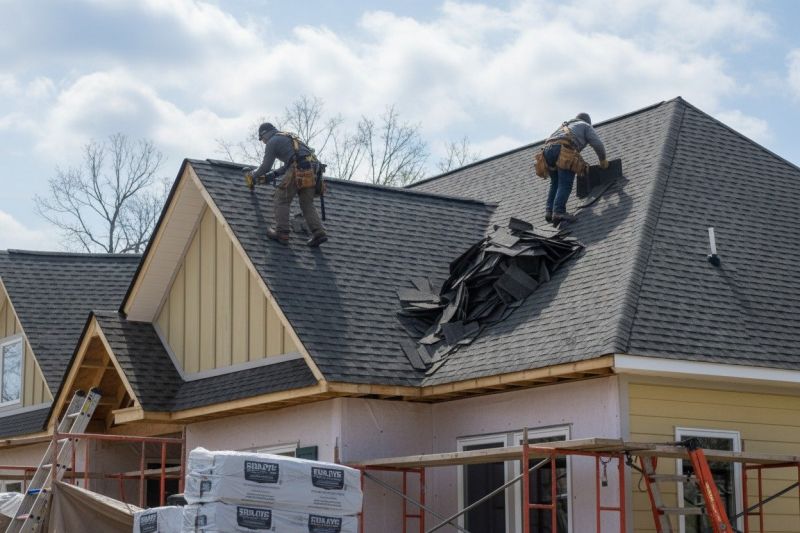
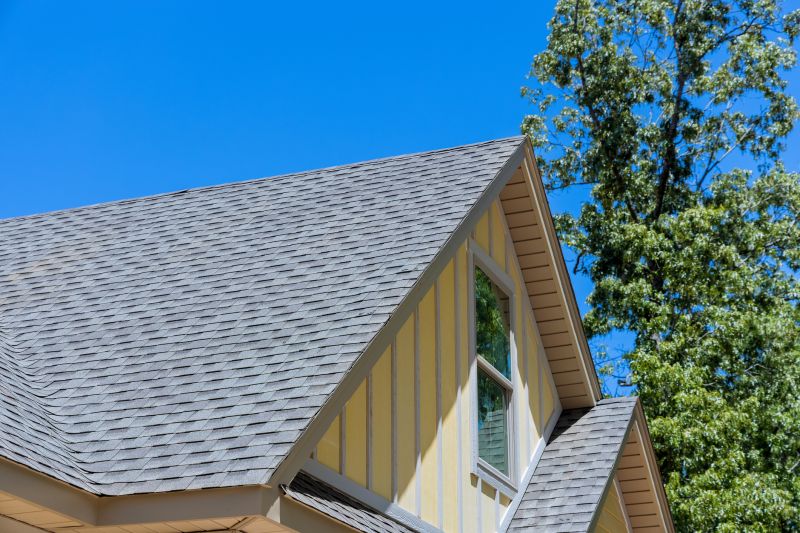
Residential roof replacement services involve removing an existing roof and installing a new one to ensure the home remains protected from the elements. This process typically includes inspecting the current roofing structure, selecting suitable materials, and carefully installing the new roof to enhance durability and appearance. Homeowners seeking this service often work with local contractors who specialize in roofing to ensure the project is completed efficiently and correctly, helping to maintain the home's value and safety.
Roof replacement can address a variety of problems that develop over time. Common issues include extensive shingle damage from severe weather, persistent leaks that compromise the interior, and widespread wear that signals the current roof has reached the end of its lifespan. Replacing the roof can eliminate ongoing leaks, prevent structural damage, and improve energy efficiency by ensuring the home is properly insulated and sealed. These services are essential when repairs are no longer sufficient to maintain the roof's integrity.
Properties that typically require roof replacement include older homes with aging roofing materials, houses that have sustained storm damage, and buildings where ongoing repairs are becoming too frequent or costly. Residential properties such as single-family homes, townhouses, and even some multi-family dwellings may need a new roof to ensure continued protection. Homeowners who notice missing shingles, curling or cracked roofing material, or signs of water intrusion should consider consulting local service providers to evaluate whether a roof replacement is necessary.
Choosing to replace a roof is a practical step for homeowners who want to safeguard their property and improve its curb appeal. This service is especially relevant for homes experiencing significant wear, leaks, or structural concerns related to the roof. By connecting with local contractors experienced in residential roof replacement, homeowners can find the right solutions tailored to their specific property needs, ensuring their home remains safe, dry, and visually appealing for years to come.
The overview below groups typical Residential Roof Replacement projects into broad ranges so you can see how smaller, mid-sized, and larger jobs often compare in your area.
In many markets, a large share of routine jobs stays in the lower and middle ranges, while only a smaller percentage of projects moves into the highest bands when the work is more complex or site conditions are harder than average.
Smaller Repairs - typical costs for minor roof repairs usually range from $250 to $600, covering issues like small leaks or damaged shingles. Many routine jobs fall within this middle range, depending on the extent of the damage and materials needed.
Partial Replacement - replacing a section of the roof or specific shingles generally costs between $1,000 and $3,500. Larger, more complex partial projects can push costs higher, but most projects stay within this range.
Full Roof Replacement - complete roof replacements typically range from $5,000 to $15,000, depending on roof size, materials, and complexity. Many homeowners find their projects fall in the middle of this spectrum, with fewer reaching the upper tiers for larger or more intricate roofs.
High-End or Complex Projects - larger, more complex roof replacements, such as those with premium materials or unusual designs, can exceed $20,000. These projects are less common and usually involve specialized work or extensive structural modifications.
Actual totals will depend on details like access to the work area, the scope of the project, and the materials selected, so use these as general starting points rather than exact figures.
Gutter Installation and Repair - this project involves planning and executing work on roof drainage systems, requiring similar skills in roofing techniques and safety protocols.
Attic Insulation Services - installing insulation in attics complements roof replacement by improving energy efficiency and requires understanding of roofing structures.
Roof Leak Repair - addressing leaks involves diagnosing roofing issues and performing targeted repairs, closely related to the skills used in roof replacement projects.
Skylight Installation - installing skylights involves working on roof surfaces and planning for waterproofing, similar to the planning involved in roof replacements.
Ventilation System Installation - upgrading or installing roof ventilation requires knowledge of roofing structures and planning to ensure proper airflow and durability.
Siding Replacement - replacing exterior siding often pairs with roof work, utilizing similar tools and planning to improve the home's overall exterior.
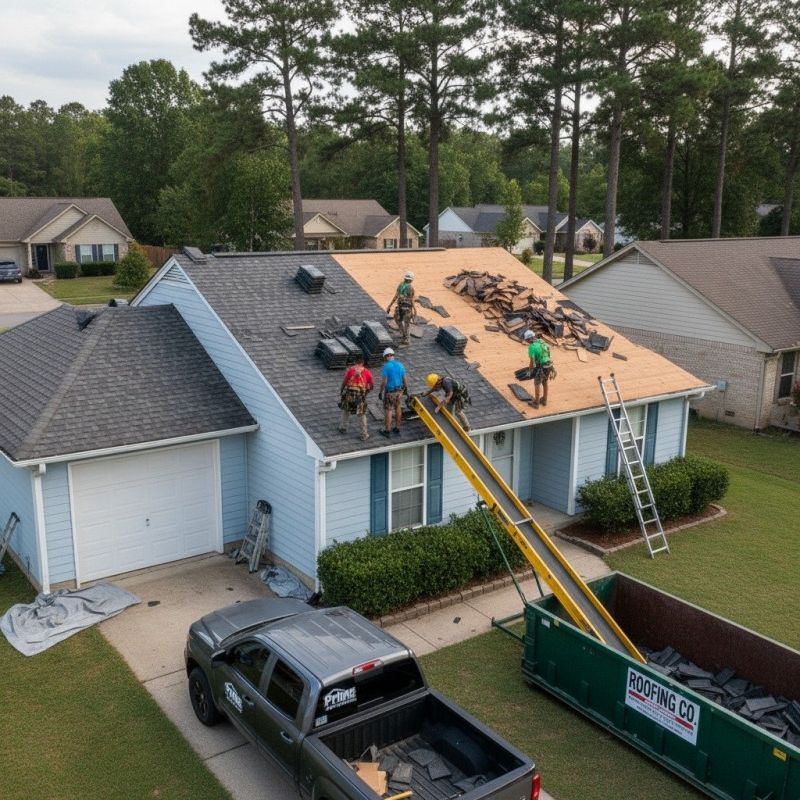
When comparing local contractors for residential roof replacement, it’s important to consider their experience with similar projects. Homeowners should look for service providers who have a track record of successfully completing roof replacements in homes comparable to their own. This can provide insight into the contractor’s familiarity with different roof styles, materials, and potential challenges that may arise during the process. A contractor’s history of handling projects similar in size and scope can help ensure that they understand the specific requirements and standards necessary for a quality roof replacement.
Clear and detailed written expectations are crucial when evaluating local service providers. Homeowners should seek proposals that outline the scope of work, materials to be used, and any warranties or guarantees offered. Having this information in writing helps prevent misunderstandings and ensures that both parties are aligned on the project’s deliverables. It’s beneficial to compare multiple quotes to see which contractors provide comprehensive, transparent descriptions of their services, as this can be an indicator of professionalism and reliability.
Good communication and reputable references are key factors in selecting a dependable contractor. Homeowners should inquire about how the service providers communicate throughout the project, including how they handle questions or concerns. Additionally, asking for references or reviews from previous clients can offer valuable insights into the contractor’s reputation and quality of work. Service providers who are responsive, transparent, and have positive feedback from past customers are more likely to deliver a smooth and satisfactory roof replacement experience. It’s important to remember that this site serves as a resource to introduce homeowners to local options, not to perform the work itself.
Property owners use Residential Roof Replacement services for practical projects around their homes and businesses. This guide focuses on everyday jobs and straightforward project options.
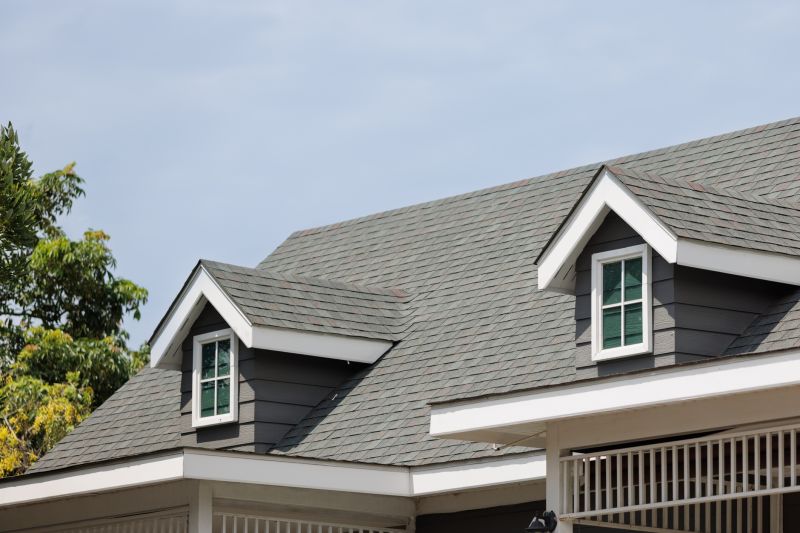
Residential roof replacement is a common project for property owners facing aging, damaged, or worn-out roofs. Whether a roof has developed leaks, shows signs of wear, or has sustained storm damage, local contractors are available to provide the necessary services to restore the home's protection and curb appeal. Homeowners often seek these services to address issues that could lead to further property damage or to improve the overall safety and value of their residence.
Many property owners consider roof replacement when experiencing increased energy costs or noticing visible deterioration like missing shingles or sagging areas. Local service providers can assess the condition of a roof and recommend replacement options that suit the specific needs of the property. These projects are typically driven by the desire to maintain a safe, reliable, and visually appealing home environment.
What are signs that a roof needs replacement? Common indicators include missing or damaged shingles, persistent leaks, extensive moss or algae growth, and visible sagging or deterioration of roof materials.
How do local contractors determine if a roof needs replacement? They typically perform a visual inspection to assess the condition of shingles, flashing, and structural components, looking for signs of wear, damage, or aging that suggest replacement may be necessary.
Can a roof be repaired instead of replaced? In some cases, repairs can address specific issues, but extensive damage, widespread deterioration, or aging often make replacement the more effective long-term solution.
What types of roofing materials are available for residential replacements? Common options include asphalt shingles, metal roofing, wood shakes, and synthetic materials, each offering different durability and aesthetic qualities.
How do local service providers handle roof replacements? They typically evaluate the existing roof, recommend suitable materials, and perform the replacement according to industry standards to ensure proper installation and durability.
Assessing Roof Damage - Property owners can use this service to identify issues like leaks or missing shingles that may need urgent attention.
Upgrading Roofs - Homeowners planning to improve curb appeal or increase property value might explore replacing an aging roof.
Preparing for Weather Events - Residents can consider roof replacement to better protect their home against upcoming storms or harsh weather.
Renovating or Remodeling - Those updating their home’s exterior can coordinate roof replacement as part of a larger renovation project.
If you are thinking about Residential Roof Replacement for a property, this guide is meant to help you understand the work, the typical project types, and how different options might fit your plans.
When you are ready, you can use the quote form on this page to share a few details about your project. From there, local pros can review the basics and respond with options that match what you have in mind.